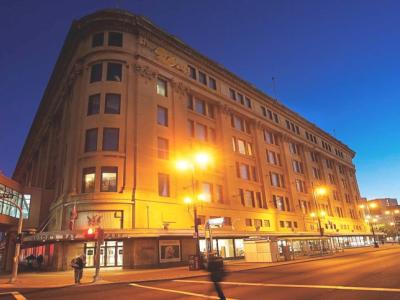
With a municipal election underway, a new Abacus Data/Probe Research survey finds Winnipeggers are not enthused about the direction their community is heading.
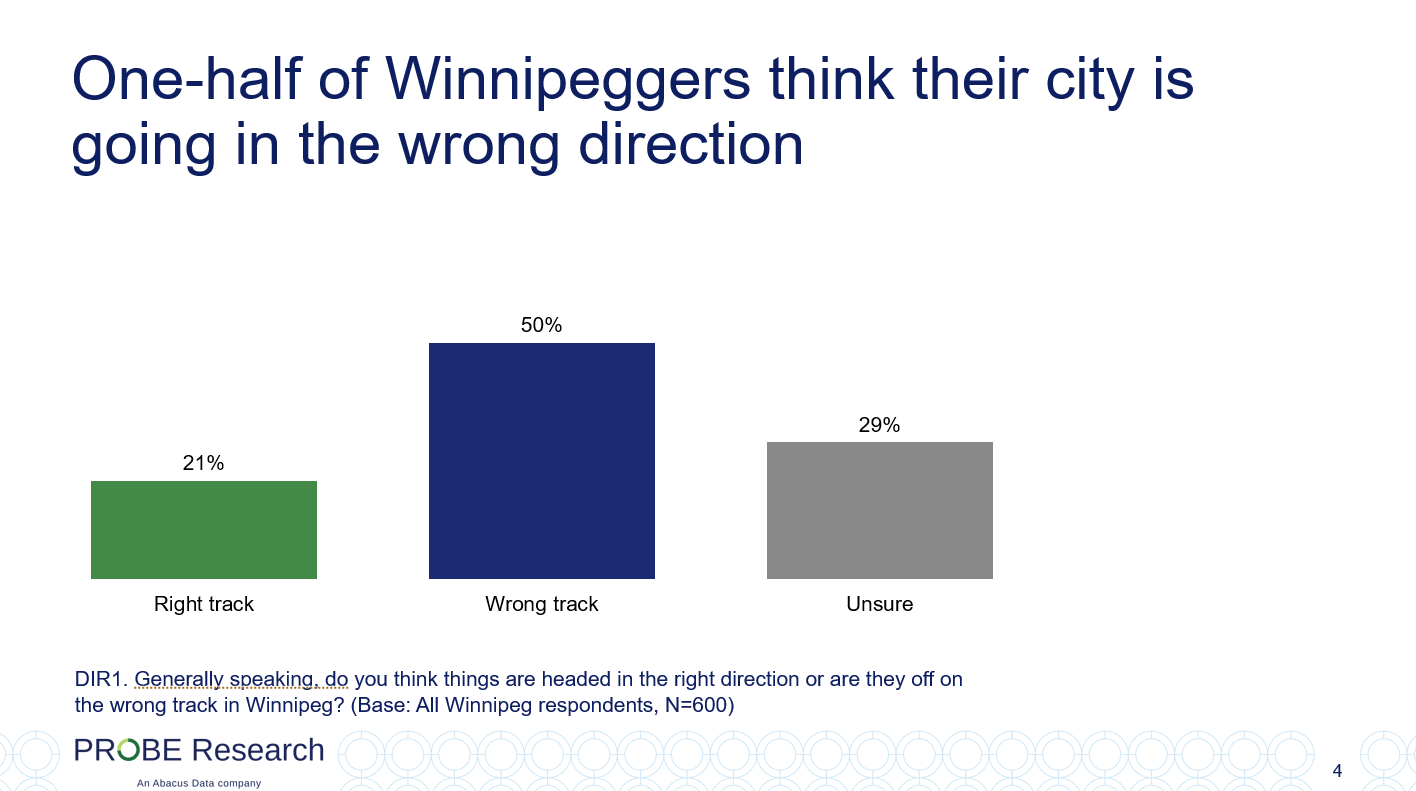
One-half of Winnipeggers think their city is going in the wrong direction, compared to one in five who think Winnipeg is on the right track. Those backing mayoral candidate Kevin Klein or other candidates almost universally think Winnipeg is not heading in a positive direction, but even nearly four in 10 supporters of incumbent mayor Scott Gillingham feel this way. Core area residents, those aged 35-54 and supporters of the provincial Progressive Conservative (PC) party are also more likely to think Winnipeg is going in the wrong direction.
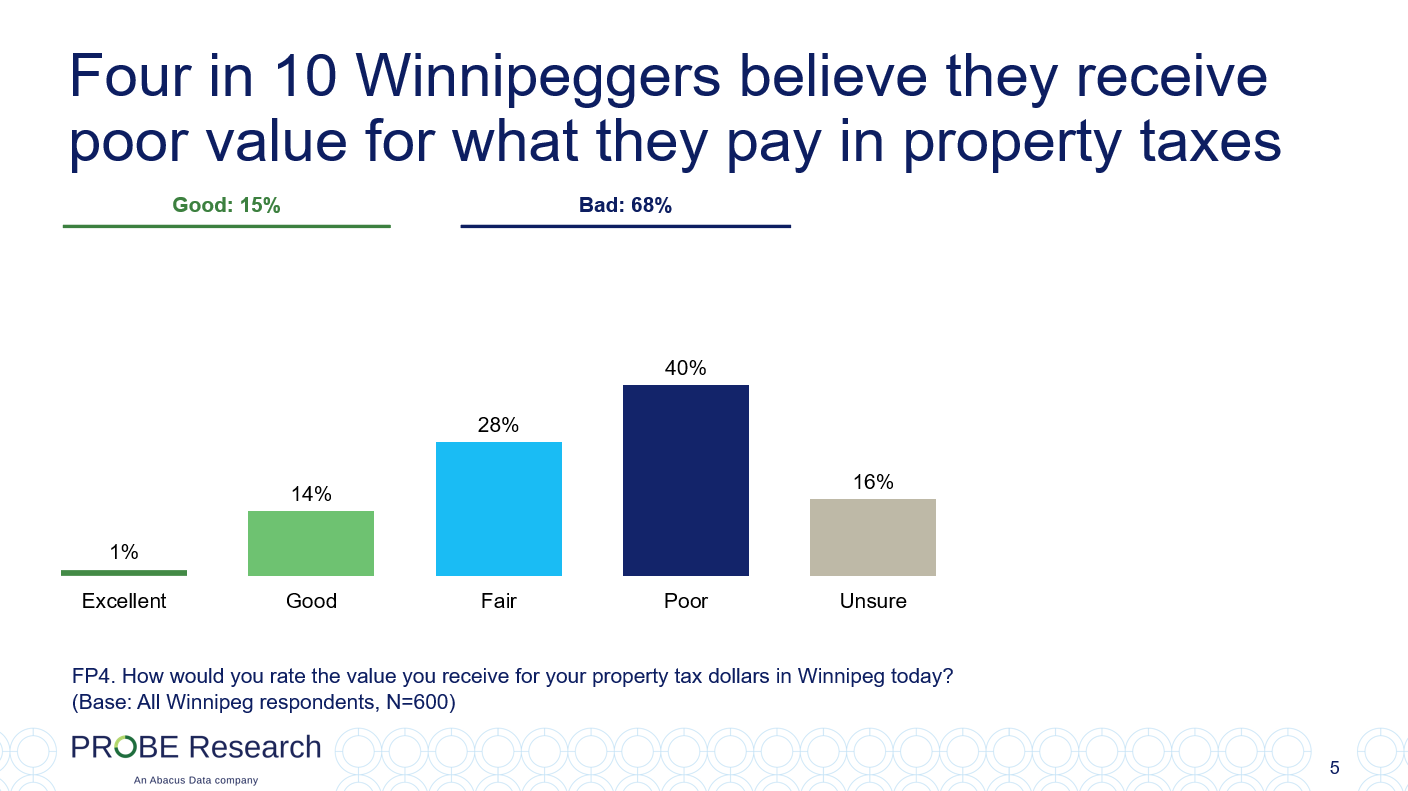
Winnipeggers are also not very satisfied with City services – and many see little value in what they pay in property taxes. Four in 10 Winnipeggers indicate they receive poor value for what they pay in municipal taxes – more than twice the number who feel they receive either good or excellent value for what they pay for City services.
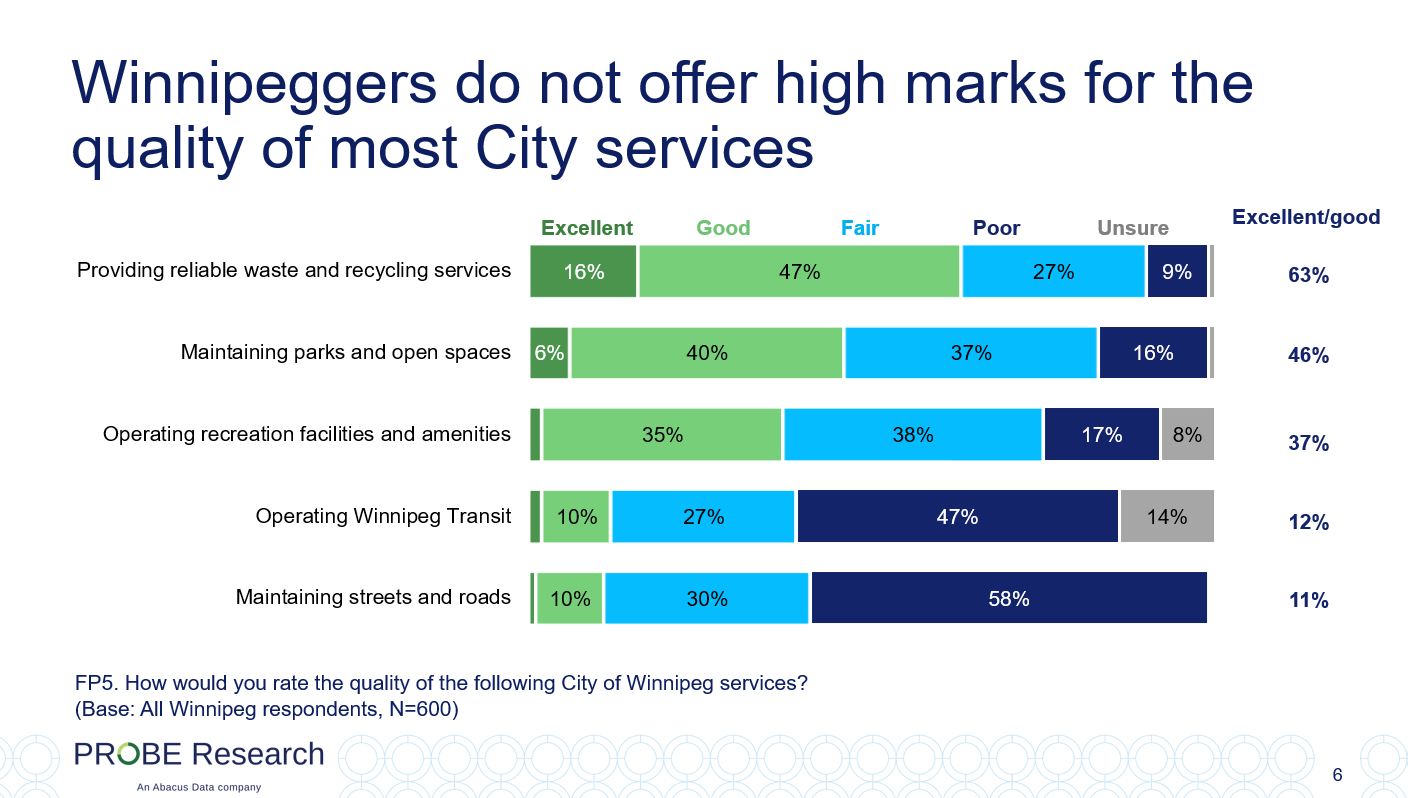
While a majority of Winnipeggers rate their waste and recycling services as excellent or good, less than one-half say this about how well the City maintains parks and open spaces, with one-third providing relatively high marks for how it operates recreational facilities. Only one in 10 praise the City for its work operating Winnipeg Transit and maintaining streets and roads.
Methodology
Abacus Data (previously Probe Research) surveyed a random and representative sample of 600 Winnipeg adults between August 28 and September 14, 2026.
Respondents were contacted using four different methods. The sample includes 274 Winnipeg residents randomly recruited via live-agent operator, 98 randomly recruited via text message/SMS, 104 randomly recruited via Interactive Voice Response (IVR) and 124 members of Probe Research's online panel. All respondents completed the survey using an online platform.
Abacus reached out to Winnipeggers through modified random digit dialing, including both landline and wireless numbers. This ensured all Manitoba adults had an equal opportunity to participate in this survey.
With a sample of 600, one can say with 95 per cent certainty that the results are within ± 4.0 percentage points of what they would have been if the entire adult population of Winnipeg had been surveyed. The margin of error is higher within each of the survey’s population sub-groups.
The sample has been weighted slightly by age, gender, region and educational attainment so it properly reflects the city’s population, based on Census data. SPSS software was used to conduct all statistical analysis.